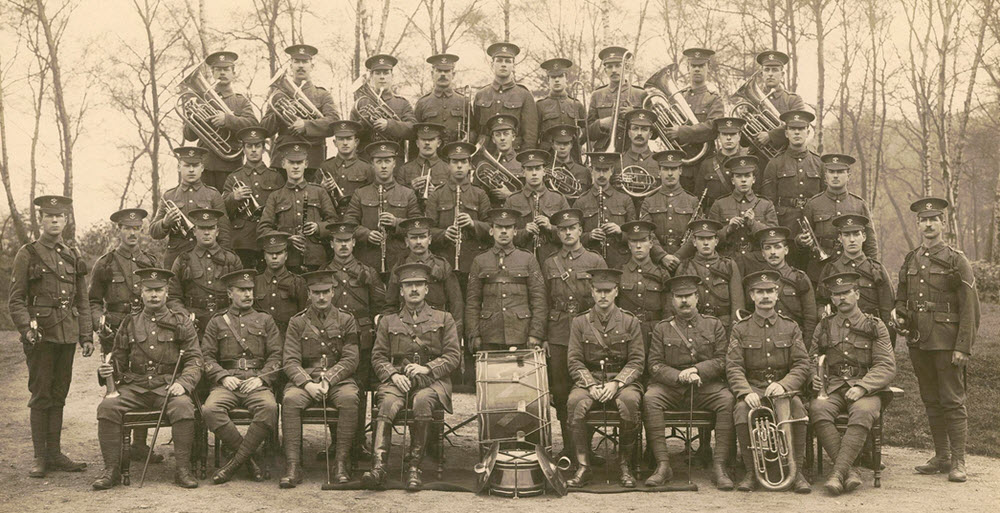
The Role of the Home Guard in World War II
During World War II, the Home Guard played an integral part in bolstering Britain’s defense strategies. Initially formed in May 1940, the Home Guard was a volunteer force comprised of local citizens who were ineligible for regular military service primarily due to age. These volunteers were tasked with defending the United Kingdom against potential invasions by German forces, representing a critical component of the nation’s wartime efforts.
Formation and Purpose
The Home Guard, originally called the Local Defence Volunteers (LDV), was established in response to the imminent threat of a German invasion following the fall of France in 1940. The British government, realizing the necessity for additional defenses, encouraged its citizens to join the LDV. This force was later renamed the Home Guard, reflecting its role in defending vital infrastructure, economic targets, and supporting the broader military efforts. With Winston Churchill at the helm of leadership, the Home Guard was emphasized not only as a strategic defense mechanism but also as a way to maintain morale and demonstrate Britain’s resilience.
Structure and Training
The organization of the Home Guard was inherently geographical, with units established across towns and rural communities throughout Britain. The very structure of the Home Guard meant that these units were tightly linked with their local populations. Training was typically conducted by retired military personnel or instructors from the regular army. The focus was on imparting basic infantry skills, defensive tactics, and the use of weapons. However, one significant hurdle was the shortage of formal training facilities and resources, which necessitated improvised training methods and locally sourced equipment. Despite such constraints, the sense of community and shared responsibility cultivated a dedicated and motivated force.
Challenges and Limitations
While the Home Guard played an instrumental role in Britain’s wartime efforts, it faced several daunting challenges:
Equipment Shortages: At its inception, the Home Guard was severely under-equipped. Many volunteers had to improvise with makeshift weapons and gear until the government managed to supply adequate arms and ammunition. This initial lack of resources highlighted the difficulties of rapidly mobilizing a home defense force during wartime.
Limited Military Experience: The majority of Home Guard members had little to no prior military experience, which presented a learning curve in terms of combat readiness and tactical operations. The need for effective training was pressing but limited by available resources and expertise. Over time, the persistence and resourcefulness of these volunteers allowed the Home Guard to grow in capability and become increasingly proficient in defensive operations.
Despite these obstacles, the Home Guard expanded its skills and operational effectiveness over the course of the war, showcasing resilience and adaptability in the face of adversity.
Contributions to National Defense
The Home Guard’s contributions to national defense were multifaceted and critical to the overall wartime strategy. Their responsibilities included protecting key points such as factories, coastal areas, and communication lines. This was accomplished through regular patrols, manned checkpoints, and preparations for potential sabotage or parachute landings. Furthermore, the Home Guard actively participated in civil defense activities: enforcing blackout regulations, assisting during air raids, and providing a visible presence that reassured the public.
Through these duties, the Home Guard played a pivotal role in supplementing the regular forces and ensuring a fortified home front. Their involvement in civil defense not only contributed to operational security but also fostered a wider sense of civilian involvement in the national defense effort.
Legacy
Although the Home Guard never engaged in large-scale combat operations, their existence was invaluable in providing a psychological boost to the British public during the war. The presence and proactive stance of the Home Guard instilled confidence and a sense of security among the citizenry. It embodied the spirit of civilian participation in national defense, demonstrating how ordinary individuals could contribute to the larger war effort.
The legacy of the Home Guard extends beyond their wartime contributions; it remains a poignant symbol of collective effort and community resilience. The commitment and sacrifices of these volunteers are commemorated in various historical contexts and have left an enduring impact on how volunteer forces are perceived in modern defense strategies. For those interested in exploring this topic further, resources on the role of volunteer forces in WWII and their impact on contemporary defense strategies can be found through various archival websites and historical narratives.
While the Home Guard was disbanded after the war, its presence and importance during World War II underscored the power of collective civilian effort in times of national crisis. The Home Guard remains a testament to the unyielding spirit and dedication of those who served to protect their homeland against formidable odds.